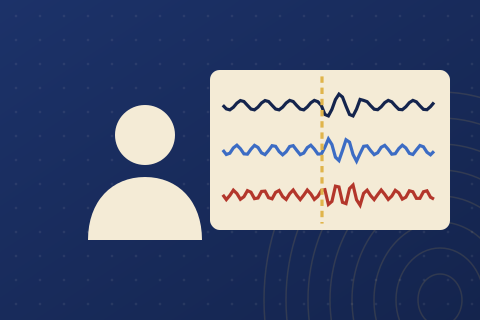
A polygraph records physiological changes such as breathing, pulse and skin response while a person answers carefully framed questions. It is a structured interview tool that can help narrow down an internal enquiry or settle a private doubt. It is conducted only with the full, written consent of the person being tested.
What we do
- Pre-test interview to explain the process and frame the questions
- Examinations for workplace theft, cash shortages and fraud
- Tests in relationship, family and business disputes
- Pre-employment and periodic integrity screening
- Chart analysis and a written report of the findings
- Guidance on how results can and cannot be used
When clients come to us
- Cash or goods have gone missing and several staff had access
- A family or partner dispute needs an independent, structured process
- A company wants integrity screening for sensitive positions
- Someone wants to demonstrate their truthfulness voluntarily
How it works


What you receive
A written polygraph report describing the questions asked, the charts obtained and the examiner's opinion on each relevant question.
Questions about polygraph (lie detector) test
Is a polygraph result accepted in court in India?
Under the Supreme Court's ruling in Selvi v. State of Karnataka (2010), a polygraph cannot be forced on anyone and its result is not by itself admissible as evidence. A voluntary test can still guide an enquiry, and information discovered as a result of it may be usable. We explain this before every test.
Can someone be tested without their consent?
No. The person being tested must agree voluntarily and in writing, and can stop at any time.
Is my case kept confidential?
Yes. Your identity, the details you share and our findings are kept private and are released only to you or to whomever you direct in writing.